

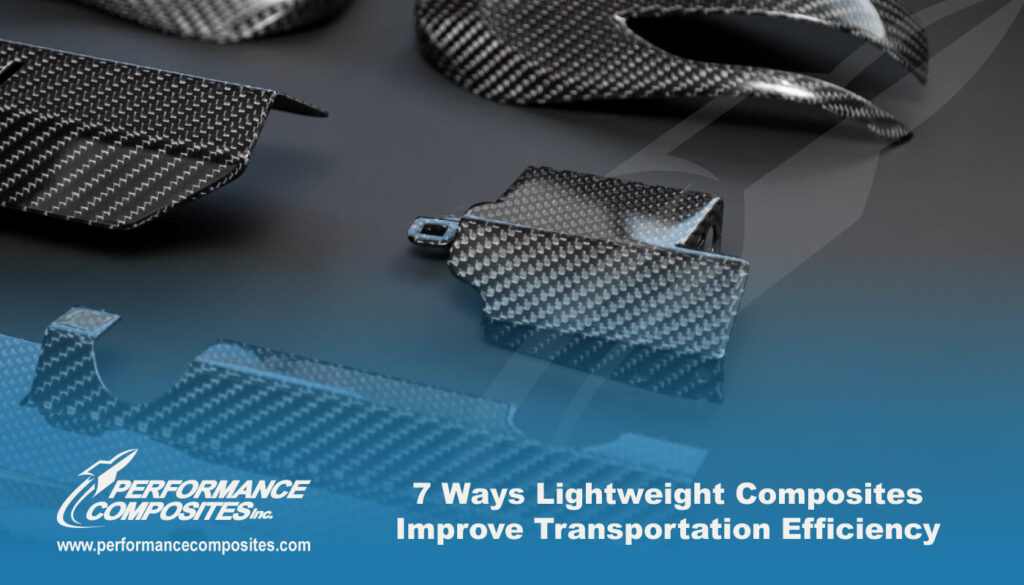
Reducing vehicle weight has become one of the transportation industry’s highest priorities as manufacturers work to improve efficiency, durability, and overall performance. Transportation composites manufacturing continues to play a significant role in this effort by producing lightweight fiberglass components that replace heavier traditional materials without sacrificing strength. From commercial transportation and specialty vehicles to rail and marine applications, composite materials help improve efficiency while supporting long-term reliability.
The expansion of electric vehicles and renewable energy systems has also increased demand for alternative energy composite solutions. Advanced fiberglass composites provide corrosion resistance, engineering flexibility, and an excellent strength-to-weight ratio that supports modern transportation technologies. Below are seven important ways lightweight composites continue improving transportation efficiency.
-
Lightweight Composite Materials for Transportation Reduce Overall Vehicle Weight
The most obvious advantage of composite materials is weight reduction.
Lightweight Composite Materials for Transportation allow manufacturers to reduce overall vehicle weight while maintaining structural integrity.
Reducing weight can contribute to:
- Better Fuel Economy
- Increased Electric Vehicle Range
- Higher Payload Capacity
- Lower Operating Costs
- Improved Performance
Even relatively small weight reductions can improve efficiency across the life of a vehicle.
-
Fiberglass Transportation Components Improve Long-Term Durability
Transportation equipment operates in demanding environments that expose components to moisture, vibration, temperature fluctuations, and road debris.
Fiberglass Transportation Components are valued because they provide:
- Corrosion Resistance
- Structural Strength
- Long Service Life
- Reduced Maintenance
- Excellent Design Flexibility
These characteristics help reduce maintenance while extending product life.
-
Composite Parts for Electric Vehicles Improve Battery Efficiency
Electric vehicles require lightweight construction to maximize battery performance.
Composite Parts for Electric Vehicles commonly include:
- Exterior Body Panels
- Structural Supports
- Battery Protection Systems
- Interior Components
Electric vehicle composite components and fiberglass battery enclosures help reduce overall vehicle weight while protecting critical battery systems. Lower weight allows batteries to operate more efficiently and helps extend driving range.
-
Alternative Energy Composite Solutions Support Renewable Technologies
Transportation and renewable energy industries continue adopting advanced composite materials for demanding applications.
Alternative Energy Composite Solutions are commonly used for:
- Renewable Energy Equipment
- Battery Storage Systems
- Charging Infrastructure
- Utility Equipment
- Industrial Energy Applications
The durability and corrosion resistance of fiberglass composites make them well suited for long-term outdoor use.
-
High-Performance Fiberglass Manufacturing Produces Consistent Quality
Manufacturing quality directly influences component performance.
High-Performance Fiberglass Manufacturing focuses on:
- Precision Engineering
- Material Consistency
- Repeatable Production
- Quality Inspection
- Manufacturing Accuracy
Companies that manufacture their own tooling maintain greater control over production quality while improving manufacturing efficiency.
-
Composite Manufacturing for EV and Energy Industries Supports Innovation
Composite Manufacturing for EV and Energy Industries continues expanding as manufacturers develop lighter, stronger products.
Composite technologies now support:
- Commercial Transportation
- Electric Vehicles
- Renewable Energy Systems
- Industrial Equipment
- Infrastructure Components
Transportation composites manufacturing continues evolving to meet growing demand for efficient composite solutions across multiple industries.
-
Renewable Energy Composite Structures Help Shape Future Transportation
Renewable energy composite structures continue supporting transportation innovation through their combination of strength, durability, and lightweight construction.
These materials provide:
- Excellent Strength-to-Weight Ratio
- Corrosion Resistance
- Long Service Life
- Engineering Flexibility
- Reliable Structural Performance
As transportation systems continue advancing, composites will remain an important part of future vehicle design.
Why Engineering and In-House Tooling Matter
Many transportation products require highly specialized molds and manufacturing processes.
Manufacturers with dedicated engineering and tooling departments can:
- Design Proprietary Tooling
- Manufacture Their Own Molds
- Improve Quality Control
- Respond Quickly to Design Changes
- Maintain Production Consistency
Controlling engineering, tooling, and production under one roof allows manufacturers to deliver highly engineered composite solutions while maintaining exceptional quality standards.
FAQs
Why are lightweight composites replacing traditional materials?
Lightweight composites help manufacturers reduce vehicle weight while maintaining structural strength and durability. This combination improves fuel efficiency, increases electric vehicle range, lowers operating costs, and supports better overall transportation performance.
Where are fiberglass composites used in transportation?
Fiberglass composites are commonly used for body panels, battery enclosures, equipment housings, structural supports, specialty vehicle components, and transportation infrastructure. Their durability and corrosion resistance make them suitable for demanding applications.
How do composites improve electric vehicles?
Reducing overall vehicle weight helps electric vehicles operate more efficiently while increasing driving range. Composite materials allow engineers to reduce unnecessary weight without compromising safety or structural integrity.
Why is in-house tooling important in composite manufacturing?
Manufacturers with in-house tooling departments design and build their own molds, allowing greater control over engineering accuracy, manufacturing quality, production efficiency, and product consistency.
How do composite materials support renewable energy?
Composite materials are widely used throughout renewable energy equipment because they provide lightweight construction, corrosion resistance, and long-term durability. These characteristics make them valuable for battery systems, charging infrastructure, utility equipment, and many advanced industrial applications.
Summary
Transportation composites manufacturing continues improving transportation efficiency by reducing weight while maintaining strength, durability, and long-term reliability. Through fiberglass transportation components, electric vehicle composite components, renewable energy composite structures, and alternative energy composite solutions, manufacturers continue advancing transportation technologies for a more efficient future. As engineering capabilities continue evolving, composite materials will remain a critical part of modern transportation innovation.
Partner with Performance Composite for Your Transportation Composites Manufacturing Needs
Reach out today for a free consultation to discuss how our tailored composite solutions can enhance efficiency and elevate innovation in the transportation industry. Contact us – 310-328-6661.