

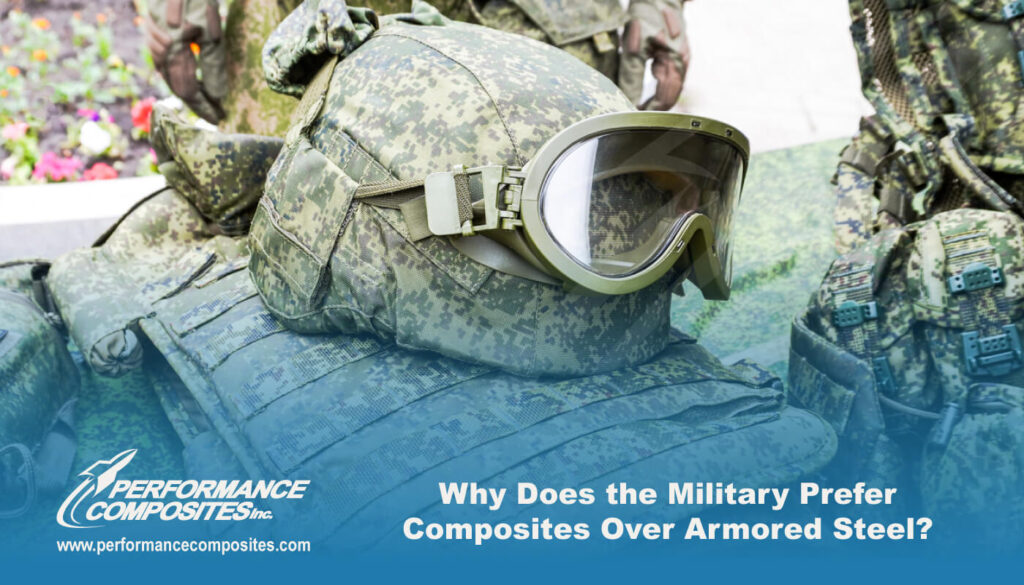
Modern defense equipment is expected to perform under demanding conditions while balancing strength, durability, mobility, and efficiency. For decades, armored steel served as the primary material for military vehicles and protective structures because of its proven strength and durability. Today, however, advances in defense and security composites manufacturing have introduced materials that provide many of the protective qualities of traditional steel while significantly reducing overall weight. As military technology continues to evolve, composite materials have become an important part of modern defense systems.
The continued growth of defense composite manufacturing reflects the military’s need for lighter, stronger, and more adaptable materials. Engineers now incorporate advanced composites into vehicles, aircraft, protective structures, communication systems, and specialized equipment where reducing weight while maintaining structural performance is critical. Understanding why composites have become such an important material helps explain their expanding role across today’s defense industry.
Security Composite Solutions for Modern Defense Systems
Composite materials are used throughout the defense sector because they can be engineered for specific performance requirements rather than relying on a single material characteristic.
Common advantages include:
- Reduced Weight
- High Structural Strength
- Corrosion Resistance
- Design Flexibility
- Environmental Durability
These characteristics allow Security Composite Solutions to support a wide range of military and security applications while improving operational efficiency.
Military Fiberglass Fabrication Supports Mission Readiness
Fiberglass remains one of the most widely used composite materials within defense manufacturing.
Military Fiberglass Fabrication is commonly utilized for components that require durability while minimizing unnecessary weight.
Applications may include:
- Equipment Housings
- Vehicle Components
- Protective Covers
- Communication Equipment
- Support Structures
Proper material selection allows manufacturers to produce components capable of performing under demanding environmental conditions.
Lightweight Defense Composite Materials Improve Mobility
One of the greatest advantages of composites is their exceptional strength-to-weight ratio.
Lightweight Defense Composite Materials help reduce the weight of:
- Ground Vehicles
- Marine Equipment
- Aircraft Components
- Portable Equipment
- Tactical Systems
Reducing overall weight may improve fuel efficiency, transportation capability, payload capacity, and operational flexibility without sacrificing structural integrity.
Composite Armor Panels Combine Protection and Performance
Traditional armored steel provides excellent protection but can significantly increase vehicle weight.
Composite Armor Panels are engineered using multiple material layers that help provide protective performance while reducing mass compared to conventional steel designs.
Benefits may include:
- Reduced Vehicle Weight
- Improved Mobility
- Greater Design Flexibility
- Corrosion Resistance
Material selection depends on the intended application and required performance characteristics.
Aerospace and Defense Composites Continue To Expand
The aerospace industry has long recognized the benefits of advanced composites, and similar technologies continue to expand throughout military manufacturing.
Aerospace and Defense Composites are commonly incorporated into:
- Aircraft Structures
- Radar Systems
- Equipment Enclosures
- Unmanned Systems
- Mission Support Equipment
The ability to engineer materials for highly specialized applications has made composites an important part of both aerospace and defense manufacturing.
High-Performance Composite Structures for Demanding Environments
Military equipment frequently operates under challenging environmental conditions.
High-Performance Composite Structures are designed to withstand factors such as:
- Moisture
- UV Exposure
- Temperature Changes
- Corrosive Environments
- Mechanical Stress
Proper engineering and manufacturing techniques help ensure consistent performance throughout the product’s service life.
Custom Defense Composite Components Through In-House Tooling
Many defense applications require components that cannot be manufactured using standard molds or production methods.
Custom Defense Composite Components often begin with specialized tooling designed specifically for the application. Companies that maintain their own tooling departments can design, manufacture, and refine molds internally, providing greater control over quality, precision, and production efficiency.
In-house tooling also allows engineers to respond more quickly to design modifications and specialized customer requirements throughout the manufacturing process.
Fiberglass Security Enclosures Protect Sensitive Equipment
Many military and security systems rely on protective housings designed to shield sensitive equipment from environmental exposure.
Fiberglass Security Enclosures are frequently used for:
- Electronic Equipment
- Communication Systems
- Utility Infrastructure
- Security Equipment
- Monitoring Systems
These enclosures provide structural protection while offering corrosion resistance and long-term durability in demanding operating environments.
Advanced Composite Manufacturing for Defense Applications
Advanced Composite Manufacturing for Defense combines engineering expertise with precision manufacturing processes to produce highly specialized components.
Modern manufacturing capabilities often include:
- Computer-Aided Design
- Precision Tooling
- Vacuum Infusion
- Resin Transfer Molding
- Quality Inspection
Manufacturers with integrated engineering and tooling capabilities are often able to maintain tighter quality control throughout production while supporting complex defense programs.
The Future of Military Composite Technology
Ongoing research continues to expand the capabilities of military-grade composite materials used throughout the defense industry.
Current areas of development include:
- Lightweight Ballistic Composite Panels
- Defense Composite Engineering
- Composite Solutions for Security Systems
- Tactical Composite Enclosures
- Durable Fiberglass Defense Components
- Composite Structures for Military Applications
- RF-Transparent Defense Enclosures
- Aerospace Defense Manufacturing
- High-Strength Fiberglass Fabrication
As manufacturing technology continues to advance, composites are expected to play an increasingly important role across a wide range of military and security applications.
FAQs
Why does the military use composites instead of steel in some applications?
Composite materials often provide an excellent strength-to-weight ratio, allowing engineers to reduce overall system weight while maintaining structural performance. Lighter components may improve mobility, transportation efficiency, payload capacity, and fuel economy depending on the application. Material selection always depends on the specific operational requirements of each defense program.
What are composite armor panels?
Composite armor panels are engineered protective systems made from multiple materials designed to provide structural performance while reducing weight compared to traditional armored steel. Different material combinations are used depending on the required level of protection and the intended military application.
Why is in-house tooling important for defense composite manufacturing?
Where are fiberglass composites commonly used in defense systems?
Fiberglass composites are frequently used in equipment enclosures, communication systems, structural components, protective housings, and support equipment. Their durability, corrosion resistance, and design flexibility make them suitable for many military and security applications where long-term performance is important.
How do aerospace and defense industries benefit from advanced composite manufacturing?
Advanced defense composite manufacturing allows engineers to produce lightweight, durable, and highly specialized components that meet demanding performance requirements. Precision engineering, custom tooling, and modern manufacturing techniques help create products capable of supporting complex aerospace and defense programs while maintaining consistent quality standards.
Summary
Advances in defense and security composites manufacturing continue to reshape how military equipment is designed and produced. Through reduced weight, high structural strength, corrosion resistance, and exceptional engineering flexibility, composite materials have become an important alternative to traditional armored steel across many defense applications. As defense composite manufacturing continues to evolve, manufacturers with integrated engineering capabilities, in-house tooling departments, and advanced production processes are helping support the next generation of military and security technologies.
Partner with Performance Composite for Your Defense and Security Composites Manufacturing Needs
Reach out today for a free consultation to discuss how our tailored composite solutions can enhance efficiency and elevate innovation in the defense and security industry. Contact us – 310-328-6661.