

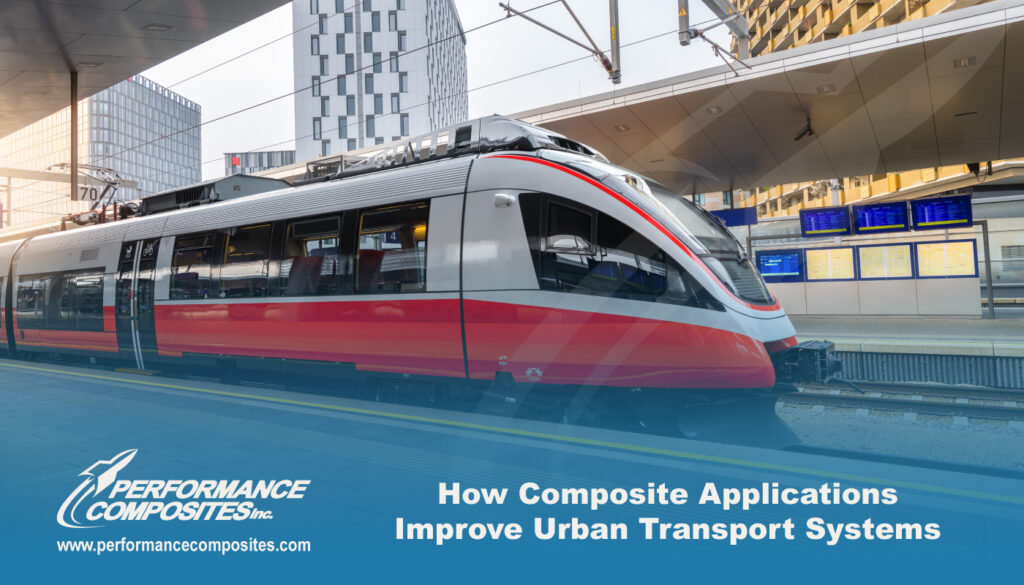
Cities around the world continue investing in transportation systems that move more people while improving efficiency, reducing emissions, and lowering long-term operating costs. As public transit fleets evolve to meet these demands, transportation composites manufacturing has become an essential part of producing lighter, stronger, and more durable vehicles. Composite materials are helping engineers improve the performance of buses, trains, metro systems, and other forms of public transportation while supporting longer service lives and greater operational efficiency.
The growth of electric buses, hydrogen-powered transit vehicles, and other sustainable transportation technologies has also increased demand for alternative energy composite solutions. Advanced composites help manufacturers reduce vehicle weight without sacrificing structural integrity, making them an important material choice for next-generation urban transportation systems designed to operate efficiently for years to come.
Why Urban Transport Systems are Turning to Advanced Composite Materials
Urban transportation systems operate under demanding conditions every day. Transit vehicles must carry thousands of passengers, withstand changing weather conditions, and remain reliable despite continuous operation. To meet these expectations, manufacturers are increasingly replacing heavier materials with advanced composite structures.
Composite materials combine reinforcing fibers with engineered resin systems to create components that offer high strength while remaining lightweight. Unlike many traditional materials, composites resist corrosion, fatigue, and environmental exposure, making them well suited for public transportation applications.
Their design flexibility also allows engineers to manufacture complex parts that improve both vehicle performance and production efficiency.
How Lightweight Composites Improve Fuel Efficiency and Energy Consumption
Vehicle weight directly affects fuel consumption and energy usage. Every pound removed from a transit vehicle reduces the energy required for acceleration, braking, and daily operation.
Advancements in transportation composites manufacturing allow manufacturers to replace heavier metal components with lightweight composite alternatives throughout the vehicle. Composite body panels, roof assemblies, flooring systems, battery enclosures, and structural components all contribute to lower overall vehicle weight.
Benefits of lightweight composite construction include:
- Reduced fuel consumption
- Improved battery efficiency
- Increased driving range
- Lower emissions
- Reduced operating costs
- Better vehicle performance
These advantages become even more valuable as cities continue expanding electric and alternative fuel transit fleets.
Structural Strength and Durability That Extends the Life of Transit Vehicles
Public transportation vehicles are expected to remain in service for many years while operating almost continuously. Components must withstand vibration, passenger loads, changing temperatures, moisture, road debris, and everyday wear.
Composite materials provide excellent strength-to-weight ratios while resisting corrosion and material fatigue. Unlike many metals, composites maintain their structural integrity even after prolonged environmental exposure.
Long-lasting components reduce the frequency of major repairs while helping transportation agencies maximize fleet availability throughout each vehicle’s service life.
Composites in Rail, Bus, and Metro Systems: Real-World Applications
Composite materials are now used throughout nearly every type of public transportation vehicle.
Common applications include:
- Exterior body panels
- Roof systems
- Passenger seating
- Flooring assemblies
- Interior wall panels
- Driver compartments
- HVAC housings
- Battery enclosures
- Equipment covers
- Structural reinforcement components
- Aerodynamic fairings
Manufacturers developing alternative energy composite solutions continue expanding composite applications for electric buses, hydrogen-powered transit vehicles, commuter rail systems, and metro platforms as transportation technology advances.
How Composites Help Urban Transit Meet Modern Safety and Crash Standards
Safety remains one of the highest priorities in transit vehicle engineering. Modern composite materials allow manufacturers to design structures capable of managing impact forces while maintaining passenger compartment integrity.
Composite laminates can be engineered for specific performance characteristics depending on the application. Many transportation composites also provide excellent fire resistance, electrical insulation, and long-term environmental durability.
As transportation safety standards continue evolving, composite engineering gives manufacturers greater flexibility to meet increasingly demanding regulatory requirements.
Noise Reduction, Vibration Damping, and the Passenger Comfort Advantage
Passenger experience plays an important role in public transportation. Ride quality, interior noise, and overall comfort influence rider satisfaction during daily commutes.
Composite materials naturally absorb vibration more effectively than many conventional materials. Reduced vibration helps decrease interior noise while creating a smoother ride for passengers.
Lower vibration levels also reduce stress on surrounding vehicle components, contributing to improved reliability and longer equipment life.
The Role of Composites in Reducing Maintenance Costs and Downtime
Transit agencies continually seek ways to lower maintenance expenses while maximizing vehicle availability.
Composite materials resist corrosion, moisture, chemicals, and environmental exposure that often contribute to deterioration in traditional materials. Their durability helps reduce routine maintenance while extending replacement intervals for many vehicle components.
Advances in transportation composites manufacturing also support the development of modular composite components that simplify repairs and replacement procedures, helping reduce downtime and improve fleet utilization.
Why Composites are Central to the Future of Sustainable Urban Mobility
As cities continue investing in cleaner transportation systems, composite materials will remain an important part of future vehicle development. Lightweight construction supports lower energy consumption while improving efficiency for electric, hybrid, and hydrogen-powered transit vehicles.
Continued innovation in alternative energy composite solutions is enabling manufacturers to develop stronger battery enclosures, lightweight structural assemblies, hydrogen storage components, and advanced vehicle systems that support the next generation of sustainable transportation.
Urban mobility will continue evolving as public transportation becomes cleaner, smarter, and more efficient. Composite materials provide the combination of strength, durability, lightweight performance, and design flexibility needed to support these advancements. As manufacturers continue expanding composite technology, public transportation systems will benefit from improved efficiency, lower operating costs, enhanced passenger comfort, and longer-lasting vehicles designed to meet the transportation needs of growing cities.
Frequently Asked Questions
Why are composite materials important in modern urban transportation?
Composite materials help manufacturers reduce vehicle weight while maintaining the strength and durability needed for demanding transit applications. Their lightweight construction improves efficiency, while their resistance to corrosion and fatigue supports longer service life and lower maintenance requirements.
Where are composite materials commonly used in public transit vehicles?
Composite materials are used throughout buses, rail cars, metro systems, and other transit vehicles. Common applications include body panels, roof structures, flooring systems, seating, battery enclosures, equipment housings, interior panels, and structural reinforcement components that improve performance without adding unnecessary weight.
How does transportation composites manufacturing improve vehicle efficiency?
Transportation composites manufacturing allows engineers to replace heavier materials with advanced composite components that reduce overall vehicle weight. Lighter vehicles require less fuel or electricity to operate, improve energy efficiency, and can help lower operating costs over the life of the vehicle.
What role do alternative energy composite solutions play in electric and hydrogen-powered transit?
Alternative energy composite solutions support cleaner transportation technologies by providing lightweight, durable materials for battery enclosures, hydrogen storage systems, structural components, and other critical assemblies. These materials help improve vehicle range, efficiency, and long-term performance while supporting sustainable transportation initiatives.
Do composite materials help reduce maintenance costs for transit agencies?
Yes. Composite materials resist corrosion, moisture, environmental exposure, and material fatigue better than many traditional materials. Their durability helps reduce repairs, extend component life, minimize vehicle downtime, and lower long-term maintenance expenses for public transportation operators.
Summary
Urban transportation systems continue advancing to meet increasing demands for efficiency, safety, and sustainability. Through transportation composites manufacturing, manufacturers are producing lighter, stronger, and more durable components that improve vehicle performance while reducing maintenance requirements and operating costs. At the same time, alternative energy composite solutions are supporting the continued growth of electric, hybrid, and hydrogen-powered transit systems by enabling more efficient and reliable vehicle designs. As cities continue modernizing public transportation infrastructure, composite materials will remain a key part of building safer, longer-lasting, and more sustainable mobility solutions.
Best Transportation Industry Manufacturing Partner: Performance Composites
Reach out today for a free consultation to discuss how our tailored composite solutions can enhance efficiency and elevate innovation in the transportation industry. Contact us – 310-328-6661.