
Performance Composites Inc.

Blog

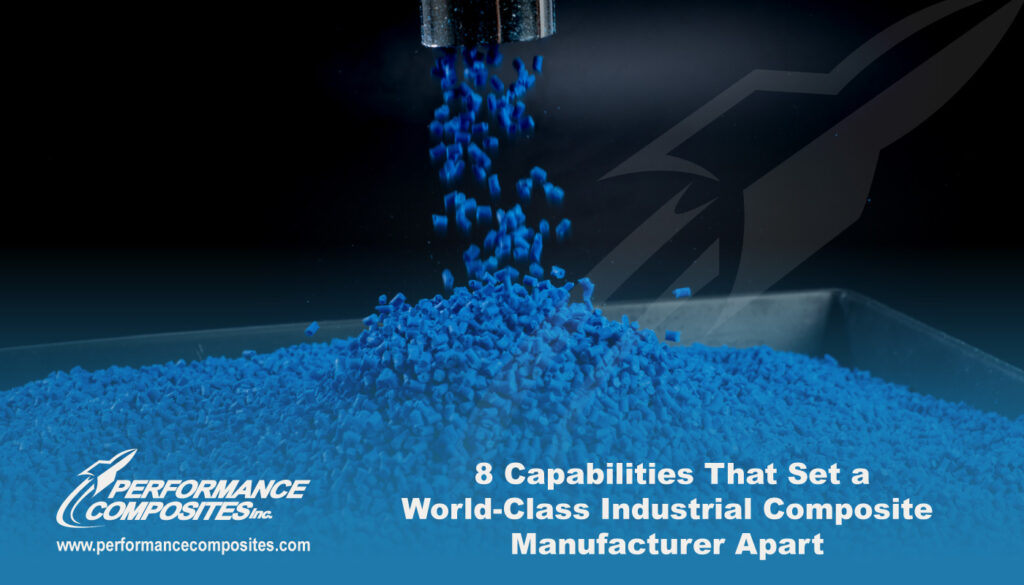
8 Capabilities That Set a World-Class Industrial Composite Manufacturer Apart
Blog

8 Capabilities That Set a World-Class Industrial Composite Manufacturer Apart

Industrial equipment manufacturers depend on durable, high-performance components that can withstand demanding operating conditions while meeting precise engineering requirements. From heavy machinery and automation equipment to processing systems and material handling applications, industrial composite manufacturing continues to provide lightweight, corrosion-resistant solutions that improve product performance, longevity, and efficiency. Selecting the right manufacturing partner is often just as important as selecting the right materials. Not every manufacturer possesses the engineering resources, production capabilities, or quality systems required to support complex industrial projects. Before selecting a supplier for composite parts for industrial machines, consider these eight capabilities that distinguish a world-class industrial composite manufacturer: Expertise in Industrial-Grade Composite Engineering Extensive Knowledge of Composite Materials and Resin Systems Precision Engineering and Custom Tooling Comprehensive Testing and Quality Control Scalable Manufacturing Capabilities Diverse Industry Experience Engineering Collaboration and Prototype Development Long-Term Partnership Focus Why Not All Composite Manufacturers Are Equipped to Handle Industrial-Grade Demands Industrial manufacturing applications often require components capable of performing in harsh environments that include chemical exposure, moisture, vibration, heavy loads, and continuous operation. Producing reliable composite solutions requires far more than standard fabrication techniques. Manufacturers serving industrial markets must combine engineering expertise with controlled production processes, advanced tooling, experienced personnel, and disciplined quality management. Companies lacking these capabilities may struggle to consistently meet demanding customer specifications or maintain repeatable production quality over large manufacturing programs. The Importance of Fiberglass Industrial Components Fiberglass continues to be one of the most widely used composite materials for industrial applications because it offers an excellent combination of strength, durability, corrosion resistance, and lightweight performance. Properly engineered fiberglass components can withstand challenging operating environments while helping reduce maintenance requirements and extend equipment life. Many OEMs rely on composite parts for industrial machines because fiberglass provides excellent dimensional stability while resisting corrosion that commonly affects traditional metal components. These advantages make fiberglass well suited for equipment enclosures, machine covers, structural supports, tanks, ducting, housings, guards, and numerous other industrial applications. Advanced Material Knowledge Across a Wide Range of Composite Systems and Resins Every industrial application presents unique performance requirements. Selecting the proper reinforcement materials and resin systems directly affects durability, chemical resistance, temperature performance, structural strength, and long-term reliability. Experienced manufacturers understand how different fiberglass reinforcements, carbon fiber, specialty fabrics, vinyl ester resins, epoxy systems, polyester resins, and other composite materials perform under varying operating conditions. This knowledge helps engineers develop customized solutions that match the specific demands of each application. Precision Engineering and Custom Tooling That Delivers Exact Specifications Every Time Precision manufacturing begins with proper engineering and tooling. Custom tooling allows manufacturers to maintain dimensional accuracy while producing consistent components throughout every production run. Performance Composites designs and manufactures tooling in-house, giving customers greater control over prototype development, engineering revisions, production accuracy, and overall manufacturing consistency. Internal tooling capabilities also improve responsiveness when design modifications become necessary during product development. In-House Testing, Quality Control, and Certification Capabilities That Ensure Compliance Reliable manufacturing requires disciplined quality control throughout every production stage. Material verification, dimensional inspections, documented procedures, and process monitoring all contribute to consistent manufacturing results. Quality-focused manufacturers typically incorporate: Incoming material inspections • Process verification • Dimensional inspections • Equipment calibration • Documentation procedures • Continuous quality monitoring • Corrective action processes These practices help ensure finished components consistently meet customer specifications while supporting dependable long-term performance. Scalable Production Capacity That Grows With Your Program and Demand Requirements Manufacturing requirements often change as customer demand increases or new product lines are introduced. A world-class manufacturer should possess the flexibility to support both prototype quantities and high-volume production without sacrificing consistency or quality. Scalable production capabilities allow customers to expand manufacturing programs confidently while maintaining reliable lead times, repeatable quality, and efficient production planning throughout the life of a project. Multi-Industry Experience That Informs Smarter Design and Manufacturing Decisions Manufacturers serving multiple industries often bring broader engineering insight to every project. Experience gained from industrial equipment, telecommunications, transportation, infrastructure, energy, medical, and other markets allows engineers to apply proven manufacturing solutions across a variety of applications. Exposure to diverse industries also strengthens problem-solving capabilities while helping manufacturers recommend practical design improvements that improve manufacturability, durability, and long-term performance. Engineering Support, Prototyping, and Design Collaboration From Concept to Production Successful manufacturing partnerships begin long before production starts. Early engineering collaboration helps identify design improvements, reduce manufacturing challenges, and streamline production planning before tooling is developed. Performance Composites works closely with customers throughout prototype development by providing engineering support, design collaboration, tooling development, and manufacturing expertise that help accelerate product development while maintaining production quality. Why a True World-Class Manufacturer Is a Long-Term Partner, Not Just a Vendor The strongest manufacturing relationships are built on collaboration, technical expertise, consistent quality, and dependable customer support. Rather than simply producing parts, world-class manufacturers work alongside customers to improve products, solve engineering challenges, and support evolving production requirements. Performance Composites combines decades of experience in industrial composite manufacturing with precision engineering, in-house tooling, disciplined quality management, and scalable production capabilities. By manufacturing durable composite parts for industrial machines and supporting customers from concept through production, the company helps OEMs build reliable products designed for long-term success. Frequently Asked Questions Why are composite materials commonly used in industrial manufacturing? Composite materials provide excellent strength, corrosion resistance, lightweight performance, and long service life while reducing maintenance requirements in many industrial applications. What advantages does in-house tooling provide? In-house tooling improves engineering flexibility, supports faster prototype development, enhances dimensional accuracy, and helps maintain production consistency. Why is quality control important in composite manufacturing? Quality control helps ensure components consistently meet customer specifications through documented inspections, process monitoring, material verification, and continuous improvement practices. Can composite manufacturers support both prototypes and production? Yes. Many experienced manufacturers provide engineering support during prototype development before scaling production to meet growing customer demand. What should companies look for in a long-term manufacturing partner? Engineering expertise, quality management, in-house tooling, scalable production, responsive customer support, and proven manufacturing experience are all important factors when selecting a composite
7 Reasons to Choose an ISO-Certified Composite Manufacturer for Advanced Technologies
Blog

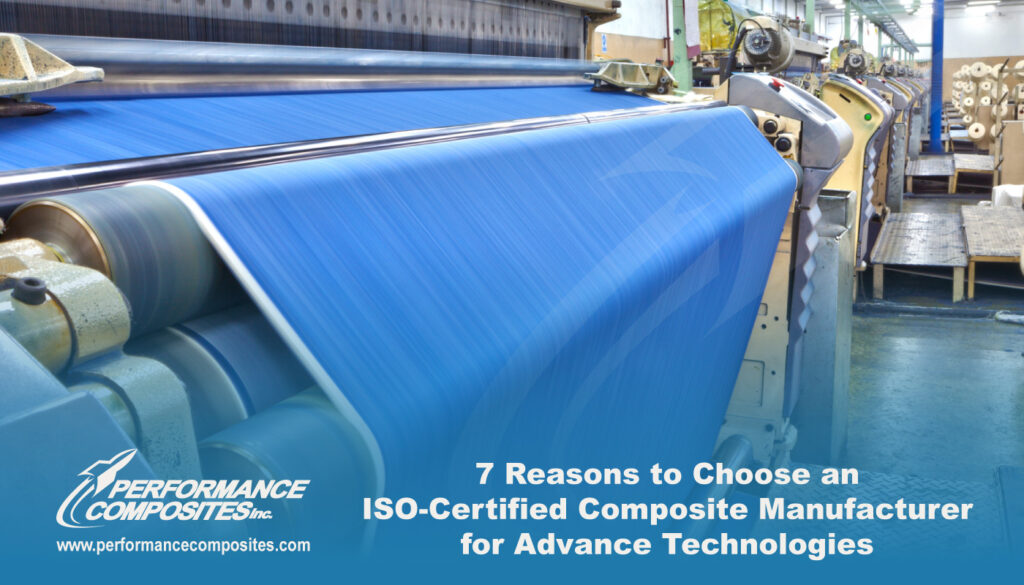
7 Reasons to Choose an ISO-Certified Composite Manufacturer for Advanced Technologies

Advanced technology industries demand precision, consistency, and dependable manufacturing from every supplier involved in the production process. Whether developing components for aerospace, defense, industrial equipment, medical devices, or telecom applications, manufacturers must deliver products that meet strict engineering specifications while performing reliably under demanding conditions. As innovation continues to advance, telecom and advanced composites manufacturing have become essential to producing lightweight, durable, and high-performance composite components that support today’s evolving technologies. Choosing a composite manufacturer requires looking beyond production capabilities and pricing alone. Telecom composite manufacturing depends on disciplined quality systems that promote consistency, repeatability, and accountability throughout every stage of production. Before selecting a manufacturing partner, consider these seven important reasons to work with an ISO-certified company: ISO-Certified Quality Management Systems Consistent Quality Across Every Component Produced Reduced Manufacturing and Project Risk Support for Compliance in Regulated Industries Complete Traceability and Documentation Long-Term Operational Stability and Continuous Improvement Greater Confidence in Your Manufacturing Partner What Is Advanced Composite Engineering? Advanced composite engineering involves designing and manufacturing components using specialized reinforcement materials and resin systems that deliver exceptional strength, corrosion resistance, dimensional stability, and reduced weight. Engineers evaluate each application’s structural, environmental, and performance requirements before selecting materials and manufacturing methods that provide the most effective solution. Advanced composite engineering supports industries where precision, durability, and long-term reliability are critical to product performance. From prototype development through full production, engineered composite components help manufacturers meet demanding technical requirements while improving overall product efficiency. What ISO Certification Actually Means for a Composite Manufacturer ISO certification demonstrates that a manufacturer has implemented a documented quality management system built around internationally recognized standards. Rather than relying solely on experience or individual production methods, certified manufacturers follow standardized procedures designed to improve consistency, accountability, and continuous improvement throughout their operations. Certification also requires ongoing internal audits, employee training, process reviews, and independent third-party assessments. Maintaining certification reflects an ongoing commitment to delivering reliable products while continually improving manufacturing performance. How ISO Standards Ensure Consistent Quality Across Every Component Produced One of the greatest advantages of ISO certification is process consistency. Composite manufacturing often involves numerous variables, including material selection, tooling, curing processes, environmental controls, inspections, and finishing procedures. Standardized quality systems help ensure each production step is carefully monitored and documented. ISO-certified manufacturers typically maintain procedures for: Material verification • Controlled manufacturing processes • Equipment calibration • Inspection and testing • Process documentation • Corrective action procedures • Continuous improvement initiatives These controls help minimize variation while producing repeatable results from prototype quantities through full production runs. The Risk Reduction Benefits of Working With a Certified Manufacturing Partner Manufacturing errors can result in project delays, increased costs, production interruptions, and quality concerns. Working with an ISO-certified manufacturer helps reduce these risks through documented procedures, proactive quality control, and disciplined production management. Established quality systems also encourage early identification of potential issues before they become larger production problems. This approach supports improved efficiency, reduced waste, and greater confidence throughout the manufacturing process. How ISO Certification Supports Compliance in Highly Regulated Advanced Technology Sectors Many advanced technology industries operate under strict customer specifications and regulatory expectations. Manufacturers serving aerospace, telecommunications, defense, transportation, medical, and industrial markets must consistently demonstrate disciplined quality management and reliable production practices. ISO-certified manufacturers maintain documented procedures that support compliance efforts while providing customers with confidence that established quality standards are followed throughout production. Standardized processes also simplify communication between manufacturers and customers during quality reviews and project evaluations. Traceability, Documentation, and the Accountability ISO-Certified Manufacturers Provide Comprehensive documentation is a cornerstone of ISO-certified manufacturing. Every stage of production is supported by records that improve visibility throughout the manufacturing process. Documentation commonly includes: Material certifications • Production records • Inspection reports • Equipment calibration records • Revision histories • Corrective action reports • Quality verification records Detailed documentation strengthens accountability while allowing manufacturers to quickly review production history whenever questions arise. How Certification Signals Long-Term Operational Stability and Process Maturity ISO certification reflects an organization’s commitment to maintaining disciplined operational practices over time. Certified manufacturers regularly review procedures, evaluate performance, train employees, and identify opportunities for continuous improvement. These ongoing efforts demonstrate operational maturity while providing customers with confidence that manufacturing processes remain stable as production requirements evolve. Long-term consistency often becomes especially valuable for OEMs requiring repeat production over many years. Why ISO Certification Should Be Non-Negotiable When Sourcing Advanced Composite Components Selecting the lowest-cost supplier does not always produce the best long-term value. Manufacturers that maintain ISO certification demonstrate their commitment to documented quality systems, process consistency, continuous improvement, and customer satisfaction. Performance Composites combines engineering expertise with disciplined manufacturing practices to support customers across demanding industries. The company’s in-house tooling department, prototype development capabilities, precision engineering, and rigorous quality management processes allow customers to move efficiently from concept through production. By combining advanced composites manufacturing experience with expertise in telecom composite manufacturing, Performance Composites delivers custom composite solutions designed to meet complex engineering requirements while maintaining dependable quality throughout every production program. Frequently Asked Questions Why is ISO certification important for composite manufacturers? ISO certification verifies that a manufacturer follows internationally recognized quality management standards that promote consistency, documentation, accountability, and continual improvement throughout production. Does ISO certification improve product consistency? Yes. Standardized procedures, documented inspections, equipment calibration, and controlled manufacturing processes help reduce variation and improve consistency from one production run to the next. Which industries commonly work with ISO-certified composite manufacturers? Industries including telecommunications, aerospace, defense, medical, transportation, industrial equipment, and other advanced technology sectors frequently partner with ISO-certified manufacturers because of their disciplined quality systems. Why is documentation important in composite manufacturing? Comprehensive documentation provides traceability, supports quality assurance, simplifies audits, and allows manufacturers to review production history whenever needed. What makes an ISO-certified manufacturer a strong long-term partner? Certified manufacturers demonstrate ongoing commitments to process improvement, employee training, documented quality systems, and consistent production practices that help support long-term customer relationships. Summary Selecting an ISO-certified manufacturer provides confidence that quality management systems, documented procedures,

medical composite manufacturing in Los Angeles
Blog

Why Performance Composites Is the Smart Choice for Medical Composite Manufacturing

Choosing the right manufacturing partner is critical when producing components for healthcare applications. Medical composites manufacturing requires technical expertise, precision engineering, strict process controls, and the ability to consistently produce parts that meet demanding specifications. From prototypes through full production, manufacturers need a partner capable of delivering dependable quality while supporting long-term product development. Manufacturers serving the medical and radiology industries require components that are lightweight, durable, dimensionally stable, and engineered for highly specialized equipment. Whether supporting imaging systems, diagnostic equipment, patient positioning devices, or structural assemblies, composite materials continue playing an increasingly important role throughout today’s medical industry. Who Performance Composites Is and What Makes Them Different Performance Composites specializes in engineering and manufacturing advanced composite components for industries where precision and consistency matter. One of the company’s biggest advantages is its ability to design and manufacture its own tooling entirely in-house. Rather than relying on outside tooling suppliers, Performance Composites maintains complete control over tooling design, fabrication, and production optimization. This approach helps improve efficiency, reduce production timelines, simplify engineering changes, and maintain exceptional consistency throughout every stage of manufacturing. The company’s collaborative engineering process allows customers to work directly with experienced professionals who understand both composite manufacturing and the unique challenges presented by complex medical applications. Deep Expertise in Medical-Grade Composite Materials and Applications Composite materials have become an essential part of modern medical equipment because they offer an outstanding combination of strength, reduced weight, corrosion resistance, and dimensional stability. Performance Composites works with advanced composite materials selected to meet demanding performance requirements across numerous medical applications. The company manufactures components used in applications such as: Diagnostic imaging equipment Patient positioning systems Medical equipment enclosures Structural composite assemblies Precision support components Specialized medical equipment Every project begins with understanding the customer’s performance requirements before selecting the appropriate materials and manufacturing approach. Precision Manufacturing Standards That Meet the Demands of Medical Composites Manufacturing Producing composite components for healthcare equipment requires manufacturing processes capable of maintaining tight tolerances and repeatable quality across every production run. Throughout medical composites manufacturing, Performance Composites follows carefully controlled production procedures that support consistent dimensional accuracy, structural integrity, and dependable repeatability. Every manufacturing stage is designed to help customers receive components that meet exact engineering specifications while supporting efficient production schedules. The company’s experienced manufacturing team understands that even small variations can affect final product performance, making precision a priority throughout production. How Performance Composites Ensures Strict Quality Control and Compliance Quality is incorporated into every step of the manufacturing process instead of being treated as a final inspection. From incoming materials through finished component verification, Performance Composites follows detailed quality procedures that promote manufacturing consistency. Production teams continuously monitor manufacturing processes while performing inspections throughout fabrication. This disciplined approach helps reduce variability and supports the high standards expected throughout the medical and radiology industry. By maintaining close control over manufacturing processes, the company provides customers with greater confidence in every production run. Custom Engineering Solutions Tailored to Complex Medical Device Requirements No two medical products are exactly alike, which is why custom engineering often plays a critical role in successful manufacturing. Performance Composites works closely with OEMs, engineers, and product development teams to design manufacturing solutions tailored to each project’s technical requirements. Because tooling is developed internally, engineering revisions and production improvements can often be implemented more efficiently than with outsourced tooling providers. Engineering support includes: Material selection Tooling design Prototype development Manufacturing optimization Production planning Design refinement for manufacturability This collaborative process helps simplify production while improving long-term manufacturing performance. The Materials, Processes, and Technology Behind Every Component We Build Advanced composite manufacturing depends on more than high-quality materials. It requires experienced personnel, specialized equipment, proven manufacturing techniques, and carefully designed tooling. Performance Composites combines advanced manufacturing technology with internally engineered tooling systems to produce highly accurate composite components for demanding applications. This integrated approach supports prototype development, production scaling, and long-term medical composites manufacturing while maintaining exceptional consistency from one production run to the next. The company’s manufacturing capabilities allow customers to move confidently from concept through full-scale production with a single manufacturing partner. A Proven Track Record of Delivering for Medical Manufacturers and OEMs Medical manufacturers value suppliers that consistently meet schedules, maintain quality standards, and provide dependable engineering support throughout the life of a project. Performance Composites has established long-term relationships with customers by delivering reliable composite manufacturing solutions backed by responsive communication, technical expertise, and a commitment to continuous improvement. The company’s experience across demanding industries enables it to solve complex manufacturing challenges while supporting evolving customer requirements. Why Medical Companies Trust Performance Composites as Their Long-Term Partner Selecting a manufacturing partner involves more than production capacity alone. Companies also look for engineering expertise, manufacturing consistency, responsive communication, and proven technical capabilities. Performance Composites combines in-house tooling, advanced engineering, precision manufacturing, and collaborative customer support under one roof. Whether producing components for the medical and radiology industry or expanding long-term medical composites manufacturing programs, the company remains committed to delivering dependable quality, efficient production, and engineered solutions that help customers succeed. FAQs Why are composite materials widely used in medical equipment? Composite materials provide excellent strength, lightweight performance, durability, corrosion resistance, and dimensional stability, making them well suited for a wide variety of medical applications. Why is in-house tooling important? In-house tooling provides greater control over production quality, engineering revisions, manufacturing efficiency, and project timelines while reducing reliance on outside suppliers. Does Performance Composites manufacture custom medical components? Yes. The company partners with OEMs and engineering teams to develop custom composite components designed around each application’s unique technical requirements. What types of medical products use composite components? Composite components are commonly used in diagnostic imaging equipment, radiology systems, patient positioning devices, structural assemblies, laboratory equipment, and other specialized medical products. How does quality control improve manufacturing consistency? Quality control procedures monitor materials, production processes, and finished components throughout manufacturing to help ensure consistent performance, dimensional accuracy, and reliable production results. Summary Performance Composites combines engineering expertise, in-house

fiberglass composites manufacturer in Los Angeles
Blog, Transportation Composites

How Is Fiberglass Used in High-Speed Rail Applications?

High-speed rail systems require materials that deliver exceptional strength while helping manufacturers reduce vehicle weight and improve energy efficiency. As rail technology continues advancing, transportation composites manufacturing has become an essential part of producing lightweight, durable components capable of meeting the demanding performance standards of modern passenger trains. Fiberglass composites provide an effective combination of structural performance, corrosion resistance, and manufacturing flexibility that supports today’s high-speed rail industry. The continued expansion of electric rail networks has also increased demand for transportation composite manufacturing solutions that improve efficiency without sacrificing reliability. Fiberglass components help manufacturers reduce overall train weight, improve aerodynamics, extend service life, and support long-term operating performance while helping rail systems meet evolving sustainability goals. Alternative Energy Composite Solutions for Modern Rail Systems The transportation industry continues investing in alternative energy composite solutions that support cleaner, more efficient rail systems. Fiberglass composites help reduce structural weight, allowing electric trains to consume less energy while maintaining the strength required for continuous daily operation. Composite materials also provide engineers with greater design flexibility, making it possible to develop lighter vehicle structures that improve acceleration, braking performance, and overall operating efficiency. These advantages make fiberglass an important material in the future of sustainable rail transportation. Why High-Speed Rail Demands Lightweight and High-Performance Materials Every pound removed from a high-speed train contributes to greater operating efficiency. Lower vehicle weight reduces energy consumption while improving acceleration and reducing stress on braking systems and track infrastructure. Fiberglass composites provide an excellent balance of lightweight construction and structural strength, allowing engineers to optimize vehicle performance without compromising safety or durability. These characteristics make fiberglass suitable for numerous interior and exterior rail applications. The Key Properties That Make Fiberglass Ideal for Rail Applications Fiberglass continues gaining popularity because it delivers several performance advantages for transportation manufacturers. Key benefits include: High strength-to-weight ratio Corrosion resistance Long service life Excellent fatigue resistance Electrical insulation Design flexibility Low maintenance requirements Advances in transportation composites manufacturing allow fiberglass components to be engineered for specific structural, environmental, and operational requirements while maintaining consistent manufacturing quality. Interior Components Where Fiberglass Delivers Strength and Weight Savings Fiberglass is widely used throughout passenger cabins because it combines durability with lightweight construction. Common interior applications include: Ceiling panels Wall panels Passenger seating components Luggage storage systems Driver cab assemblies Equipment enclosures Interior trim panels Reducing weight throughout the interior improves overall train efficiency while maintaining the durability required for years of continuous service. How Fiberglass Contributes to the Aerodynamic Design of High-Speed Trains Aerodynamics become increasingly important as train speeds continue rising. Fiberglass can be molded into complex shapes that reduce air resistance while maintaining structural integrity. Streamlined nose sections, exterior fairings, equipment covers, and body panels are commonly manufactured using fiberglass because of its ability to achieve smooth, highly engineered surfaces. Improved aerodynamics contribute to lower energy consumption, reduced wind resistance, and quieter operation. Fiberglass in Structural and Exterior Rail Components That Face Extreme Conditions Exterior rail components are constantly exposed to moisture, ultraviolet radiation, vibration, temperature changes, debris, and other environmental conditions. Fiberglass performs well under these demanding circumstances because it resists corrosion and environmental deterioration more effectively than many traditional materials. Exterior body panels, roof systems, equipment housings, access panels, and protective covers commonly utilize fiberglass composite construction. These characteristics help support reliable long-term performance while reducing maintenance needs. How Fiberglass Compares to Carbon Fiber and Aluminum in Rail Manufacturing Fiberglass, carbon fiber, and aluminum each serve important roles within modern transportation manufacturing. Carbon fiber offers exceptional stiffness and weight savings but is generally more expensive. Aluminum provides strength and durability while remaining widely used throughout transportation industries. Fiberglass offers an excellent balance of performance, durability, manufacturing flexibility, and cost, making it an ideal material for many high-speed rail applications requiring dependable long-term performance. The Role of Fiberglass in Reducing Maintenance Costs and Extending Rail Vehicle Life Transit operators continually seek materials that reduce maintenance while maximizing fleet availability. Fiberglass resists corrosion, chemicals, moisture, and environmental exposure, helping reduce deterioration over time. Many fiberglass components require less maintenance than traditional materials while maintaining their structural performance throughout extended service lives. Continued innovation in transportation composite manufacturing allows manufacturers to produce durable components that improve lifecycle performance while helping operators control long-term maintenance costs. Why Fiberglass Will Remain a Core Material in the Future of High-Speed Rail As high-speed rail technology continues evolving, manufacturers will require materials capable of supporting lighter, more efficient, and increasingly sustainable transportation systems. Continued advancements in transportation composites manufacturing and transportation composite manufacturing will expand the use of fiberglass throughout passenger rail vehicles. From interior components and aerodynamic body panels to structural assemblies and protective exterior systems, fiberglass will continue helping manufacturers produce reliable, efficient, and durable rail vehicles designed for the future of modern transportation. Frequently Asked Questions Why is fiberglass commonly used in high-speed rail applications? Fiberglass provides an excellent combination of lightweight performance, structural strength, corrosion resistance, and long-term durability. These characteristics help manufacturers improve train efficiency while supporting reliable operation over many years of service. Which train components are commonly manufactured from fiberglass? Fiberglass is frequently used for body panels, roof structures, equipment housings, driver cab components, interior wall panels, ceiling panels, luggage compartments, access covers, and aerodynamic exterior assemblies. How does transportation composites manufacturing improve rail vehicle performance? Transportation composites manufacturing allows engineers to replace heavier materials with lightweight composite components that improve energy efficiency, reduce operating costs, enhance aerodynamics, and extend vehicle service life without sacrificing structural integrity. How does fiberglass compare with carbon fiber in rail manufacturing? Carbon fiber generally provides greater stiffness and lower weight but is often more expensive. Fiberglass offers an excellent balance of strength, durability, manufacturing flexibility, and cost, making it a practical solution for many high-speed rail applications. Do fiberglass components help reduce maintenance costs? Yes. Fiberglass resists corrosion, moisture, weather exposure, and many environmental conditions that contribute to material deterioration. This durability helps reduce maintenance requirements while extending the service life of many rail components.

urban transport composites application
Blog, Transportation Composites

How Composite Applications Improve Urban Transport Systems

Cities around the world continue investing in transportation systems that move more people while improving efficiency, reducing emissions, and lowering long-term operating costs. As public transit fleets evolve to meet these demands, transportation composites manufacturing has become an essential part of producing lighter, stronger, and more durable vehicles. Composite materials are helping engineers improve the performance of buses, trains, metro systems, and other forms of public transportation while supporting longer service lives and greater operational efficiency. The growth of electric buses, hydrogen-powered transit vehicles, and other sustainable transportation technologies has also increased demand for alternative energy composite solutions. Advanced composites help manufacturers reduce vehicle weight without sacrificing structural integrity, making them an important material choice for next-generation urban transportation systems designed to operate efficiently for years to come. Why Urban Transport Systems are Turning to Advanced Composite Materials Urban transportation systems operate under demanding conditions every day. Transit vehicles must carry thousands of passengers, withstand changing weather conditions, and remain reliable despite continuous operation. To meet these expectations, manufacturers are increasingly replacing heavier materials with advanced composite structures. Composite materials combine reinforcing fibers with engineered resin systems to create components that offer high strength while remaining lightweight. Unlike many traditional materials, composites resist corrosion, fatigue, and environmental exposure, making them well suited for public transportation applications. Their design flexibility also allows engineers to manufacture complex parts that improve both vehicle performance and production efficiency. How Lightweight Composites Improve Fuel Efficiency and Energy Consumption Vehicle weight directly affects fuel consumption and energy usage. Every pound removed from a transit vehicle reduces the energy required for acceleration, braking, and daily operation. Advancements in transportation composites manufacturing allow manufacturers to replace heavier metal components with lightweight composite alternatives throughout the vehicle. Composite body panels, roof assemblies, flooring systems, battery enclosures, and structural components all contribute to lower overall vehicle weight. Benefits of lightweight composite construction include: Reduced fuel consumption Improved battery efficiency Increased driving range Lower emissions Reduced operating costs Better vehicle performance These advantages become even more valuable as cities continue expanding electric and alternative fuel transit fleets. Structural Strength and Durability That Extends the Life of Transit Vehicles Public transportation vehicles are expected to remain in service for many years while operating almost continuously. Components must withstand vibration, passenger loads, changing temperatures, moisture, road debris, and everyday wear. Composite materials provide excellent strength-to-weight ratios while resisting corrosion and material fatigue. Unlike many metals, composites maintain their structural integrity even after prolonged environmental exposure. Long-lasting components reduce the frequency of major repairs while helping transportation agencies maximize fleet availability throughout each vehicle’s service life. Composites in Rail, Bus, and Metro Systems: Real-World Applications Composite materials are now used throughout nearly every type of public transportation vehicle. Common applications include: Exterior body panels Roof systems Passenger seating Flooring assemblies Interior wall panels Driver compartments HVAC housings Battery enclosures Equipment covers Structural reinforcement components Aerodynamic fairings Manufacturers developing alternative energy composite solutions continue expanding composite applications for electric buses, hydrogen-powered transit vehicles, commuter rail systems, and metro platforms as transportation technology advances. How Composites Help Urban Transit Meet Modern Safety and Crash Standards Safety remains one of the highest priorities in transit vehicle engineering. Modern composite materials allow manufacturers to design structures capable of managing impact forces while maintaining passenger compartment integrity. Composite laminates can be engineered for specific performance characteristics depending on the application. Many transportation composites also provide excellent fire resistance, electrical insulation, and long-term environmental durability. As transportation safety standards continue evolving, composite engineering gives manufacturers greater flexibility to meet increasingly demanding regulatory requirements. Noise Reduction, Vibration Damping, and the Passenger Comfort Advantage Passenger experience plays an important role in public transportation. Ride quality, interior noise, and overall comfort influence rider satisfaction during daily commutes. Composite materials naturally absorb vibration more effectively than many conventional materials. Reduced vibration helps decrease interior noise while creating a smoother ride for passengers. Lower vibration levels also reduce stress on surrounding vehicle components, contributing to improved reliability and longer equipment life. The Role of Composites in Reducing Maintenance Costs and Downtime Transit agencies continually seek ways to lower maintenance expenses while maximizing vehicle availability. Composite materials resist corrosion, moisture, chemicals, and environmental exposure that often contribute to deterioration in traditional materials. Their durability helps reduce routine maintenance while extending replacement intervals for many vehicle components. Advances in transportation composites manufacturing also support the development of modular composite components that simplify repairs and replacement procedures, helping reduce downtime and improve fleet utilization. Why Composites are Central to the Future of Sustainable Urban Mobility As cities continue investing in cleaner transportation systems, composite materials will remain an important part of future vehicle development. Lightweight construction supports lower energy consumption while improving efficiency for electric, hybrid, and hydrogen-powered transit vehicles. Continued innovation in alternative energy composite solutions is enabling manufacturers to develop stronger battery enclosures, lightweight structural assemblies, hydrogen storage components, and advanced vehicle systems that support the next generation of sustainable transportation. Urban mobility will continue evolving as public transportation becomes cleaner, smarter, and more efficient. Composite materials provide the combination of strength, durability, lightweight performance, and design flexibility needed to support these advancements. As manufacturers continue expanding composite technology, public transportation systems will benefit from improved efficiency, lower operating costs, enhanced passenger comfort, and longer-lasting vehicles designed to meet the transportation needs of growing cities. Frequently Asked Questions Why are composite materials important in modern urban transportation? Composite materials help manufacturers reduce vehicle weight while maintaining the strength and durability needed for demanding transit applications. Their lightweight construction improves efficiency, while their resistance to corrosion and fatigue supports longer service life and lower maintenance requirements. Where are composite materials commonly used in public transit vehicles? Composite materials are used throughout buses, rail cars, metro systems, and other transit vehicles. Common applications include body panels, roof structures, flooring systems, seating, battery enclosures, equipment housings, interior panels, and structural reinforcement components that improve performance without adding unnecessary weight. How does transportation composites manufacturing improve vehicle efficiency? Transportation

Defense Procurement composites in Los Angeles
Blog, Military Defense Composites

Defense Procurement Guide to High-Performance Composites

Selecting materials for military and government programs requires careful evaluation of performance, durability, and manufacturing capabilities. Defense and security composites manufacturing plays an important role in producing lightweight, high-strength components that meet demanding operational requirements. Procurement professionals must consider not only material performance but also the experience and capabilities of the manufacturing partner supporting each program. Modern defense systems continue placing greater demands on weight reduction, structural performance, and long-term reliability. Defense composites manufacturing supports these objectives by producing engineered composite components for aircraft, ground vehicles, naval systems, radar equipment, communications systems, and other mission-critical applications where precision and consistency are essential. Why High-Performance Composites Are Critical to Modern Defense Applications Composite materials have become an important part of today’s defense industry because they offer significant performance advantages over many traditional materials. Their combination of high strength, reduced weight, corrosion resistance, and dimensional stability allows engineers to improve system performance without sacrificing durability. Reducing overall weight can improve mobility, increase payload capacity, reduce fuel consumption, and enhance operational efficiency across numerous defense platforms. Composite materials also provide excellent fatigue resistance, making them suitable for components exposed to repeated stress over long service lives. As defense technology continues evolving, advanced composite materials support increasingly sophisticated equipment and structural designs. Key Material Properties Defense Procurement Officers Should Understand Selecting the appropriate composite material begins with understanding the performance requirements of the finished component. Every defense application presents unique operating environments that influence material selection. Important material characteristics include: High strength-to-weight ratio Structural stiffness Fatigue resistance Corrosion resistance Thermal stability Dimensional consistency Environmental durability Long-term reliability Understanding these characteristics helps procurement teams evaluate whether a manufacturer can produce components capable of meeting demanding program requirements. Common Defense Applications Where High-Performance Composites Excel Advanced composites are used throughout modern defense systems because they can be engineered for highly specialized applications. Common examples include: Aircraft structural components Radar system housings Communication equipment enclosures Ground vehicle assemblies Naval equipment Drone structures Electronic support systems Mission equipment panels Throughout defense and security composites manufacturing, engineers work to optimize each component for its intended operational environment while balancing strength, weight, and manufacturability. Qualification Standards, Certifications, and Compliance Requirements to Know Defense manufacturing requires strict adherence to quality standards, documented manufacturing procedures, and customer-specific program requirements. Procurement teams should evaluate whether manufacturers maintain the systems necessary to consistently produce parts that satisfy contractual and technical specifications. Quality management extends beyond final inspections. Manufacturers should maintain documented production procedures, material traceability, process controls, inspection protocols, and continuous quality monitoring throughout production. These systems help reduce manufacturing variability while supporting consistent product performance across multiple production runs. How to Evaluate Composite Manufacturers for Defense-Grade Work Selecting a qualified manufacturing partner involves evaluating far more than production capacity. Procurement teams should review engineering capabilities, manufacturing experience, quality systems, tooling resources, and long-term production support. Performance Composites offers a significant advantage by designing and manufacturing its tooling entirely in-house. Internal tooling capabilities provide greater control over production schedules, engineering modifications, manufacturing consistency, and process optimization. Companies should also evaluate: Engineering expertise In-house tooling capabilities Manufacturing capacity Prototype development experience Quality management systems Communication and technical support These capabilities contribute to more predictable project execution throughout defense composites manufacturing programs. Lead Times, Supply Chain Considerations, and Program Risk Management Meeting production schedules is essential for defense programs that often involve multiple suppliers and tightly coordinated manufacturing timelines. Delays affecting one supplier can impact numerous downstream operations. Working with manufacturers that maintain strong internal engineering resources and in-house tooling capabilities can reduce scheduling risks while improving responsiveness when engineering changes become necessary. Supply chain planning should also consider material availability, manufacturing capacity, contingency planning, and production scalability as programs move from development into higher production volumes. Early collaboration between procurement teams and manufacturers often improves forecasting, scheduling, and overall program efficiency. Partnering With the Right Composite Manufacturer for Long-Term Defense Programs Successful defense programs often depend on long-term manufacturing relationships built on technical expertise, consistent quality, and dependable communication. Performance Composites combines experienced engineering teams, advanced manufacturing capabilities, rigorous quality control, and fully integrated in-house tooling to support demanding government and defense customers. This comprehensive approach allows the company to respond efficiently to evolving program requirements while maintaining the consistency expected throughout defense and security composites manufacturing. As defense programs continue advancing in complexity, selecting an experienced manufacturing partner capable of supporting long-term defense composites manufacturing projects can improve production efficiency, reduce program risk, and contribute to successful mission outcomes. FAQs Why are composite materials widely used in defense applications? Composite materials provide an excellent combination of lightweight performance, high strength, corrosion resistance, fatigue resistance, and long-term durability, making them suitable for demanding military environments. Why is in-house tooling important for defense manufacturing? In-house tooling allows manufacturers to maintain greater control over quality, engineering changes, production schedules, and manufacturing consistency while reducing dependence on outside suppliers. What should procurement teams look for in a composite manufacturer? Procurement teams should evaluate engineering expertise, manufacturing capabilities, quality systems, production capacity, tooling resources, experience with complex programs, and long-term customer support. How do quality control systems benefit defense programs? Comprehensive quality systems help maintain consistent manufacturing processes, improve traceability, reduce variability, and support reliable production throughout every stage of manufacturing. Why are long-term manufacturing partnerships important? Long-term partnerships promote better communication, production planning, engineering collaboration, continuous process improvement, and dependable support as defense programs evolve. Summary Advanced composite materials continue playing an increasingly important role across today’s defense industry by providing lightweight, durable, and highly engineered solutions for demanding applications. Performance Composites supports government contractors and defense manufacturers through experienced engineering, in-house tooling, precision manufacturing, and comprehensive quality control. By combining technical expertise with dependable production capabilities, the company helps customers achieve successful outcomes in defense and security composites manufacturing while providing reliable support for long-term defense composites manufacturing programs. Partner with Performance Composites for Defense and Security Industry Requirements Reach out today for a free consultation to discuss how our tailored composite solutions can enhance efficiency

medical composite materials manufacturer
Blog

Can Composite Materials Replace Metal in Surgical Implants?

For decades, metal has been the standard material for many surgical implants because of its strength and long history of clinical use. Today, however, ongoing advancements in medical composites manufacturing are giving engineers and medical device manufacturers additional material options that can address some of the limitations associated with traditional metals. Composite materials are being developed to provide high strength, reduced weight, and improved performance for a growing number of orthopedic, spinal, trauma, and reconstructive applications. Innovation across the healthcare industry continues driving demand for materials that support both patient outcomes and manufacturing efficiency. As a result, medical and radiology technologies increasingly incorporate advanced composite materials that improve imaging compatibility while maintaining the mechanical properties required for demanding medical environments. Although metals will continue serving an important role, composites are becoming an increasingly valuable solution for many surgical applications. Custom Medical Composite Parts that Support Precision Healthcare Applications The healthcare industry requires components manufactured to extremely precise specifications. Custom medical composite parts allow engineers to develop highly specialized solutions for implants, surgical instruments, diagnostic equipment, and medical devices where performance and consistency are critical. Composite manufacturing also provides significant design flexibility. Fiber orientation, resin selection, wall thickness, and structural geometry can all be engineered to achieve specific mechanical properties while meeting the demanding quality standards required throughout the medical industry. Why the Medical Industry Is Rethinking Metal as the Default Implant Material Metal implants continue delivering excellent clinical results across many procedures, but they also present challenges that researchers continue working to address. Certain metals possess stiffness levels that differ significantly from natural bone. This difference can contribute to stress shielding, where the implant absorbs more mechanical load than the surrounding bone tissue. Over time, this may influence how bone responds around the implant. Metal implants can also create imaging artifacts during certain diagnostic procedures, making post-operative evaluations more difficult in some cases. Composite materials provide engineers with additional design options that help overcome many of these challenges while maintaining structural performance. The Key Properties That Make Composites a Viable Alternative to Metal Modern composite materials combine reinforcing fibers with advanced resin systems to produce lightweight structures with exceptional mechanical performance. Important advantages include: High strength-to-weight ratios Excellent fatigue resistance Corrosion resistance Design flexibility Improved imaging compatibility Tailored mechanical performance Through continued advancements in medical composites manufacturing, engineers can optimize composite structures for specific implant applications while maintaining consistent quality and repeatable performance. How Composite Implants Perform in Load-Bearing and Structural Applications Different surgical implants experience different mechanical demands. Some primarily stabilize tissue, while others must support substantial loads over many years. Composite materials can be engineered to deliver strength while maintaining lower overall weight. Their stiffness can also be adjusted to more closely resemble natural bone in certain applications, helping engineers design implants that balance support with long-term structural performance. Ongoing research continues expanding the number of procedures where composite materials can provide reliable long-term performance. Biocompatibility, Corrosion Resistance, and Long-Term Safety Considerations Any implant material must demonstrate long-term safety before being approved for clinical use. Composite materials developed for medical applications undergo extensive testing for biocompatibility, fatigue resistance, sterilization compatibility, wear performance, and long-term durability. Unlike many traditional metals, composites also resist corrosion caused by moisture and bodily fluids, helping maintain structural integrity over extended periods. These evaluations ensure composite implants satisfy the rigorous safety expectations required for modern medical devices. Where Composites are Already Replacing Metal in Surgical Applications Composite materials already serve numerous healthcare applications where their unique performance characteristics offer measurable benefits. Examples include: Spinal implants Orthopedic fixation devices Trauma plates External fixation systems Prosthetic components Surgical instrument assemblies Imaging-compatible implant systems Diagnostic equipment structures Many medical and radiology applications also benefit from composite materials because they generate fewer imaging artifacts during CT and MRI examinations than certain metallic materials. The Regulatory and Testing Hurdles Composite Implants Must Clear Within the medical composites manufacturing industry, implants undergo some of the most demanding testing requirements of any manufactured product. Before reaching patients, composite implants must complete comprehensive laboratory testing, mechanical validation, fatigue analysis, biocompatibility studies, sterilization evaluations, manufacturing verification, and regulatory review. Manufacturers must demonstrate consistent quality while proving long-term safety under expected clinical conditions. These extensive evaluations help ensure composite implants meet the same high standards expected of traditional implant materials. What the Future of Composite Surgical Implants Looks Like for Patients and Surgeons Research into advanced medical composites manufacturing technology continues expanding as surgeons and manufacturers seek materials that improve both clinical performance and patient outcomes. Continued innovation in medical composites manufacturing is expected to support increasingly advanced implant designs with optimized strength, improved imaging compatibility, and enhanced long-term durability. At the same time, advances in medical and radiology technologies will continue increasing demand for materials that support accurate diagnostic imaging before, during, and after treatment. While metal will remain an essential material for many surgical procedures, composite technology is expected to play an increasingly important role in future implant development. As engineering capabilities continue advancing, composite materials will help support safer procedures, improved device performance, and innovative treatment solutions across a growing range of medical specialties. Frequently Asked Questions Can composite materials completely replace metal in surgical implants? Not entirely. Metal remains the preferred material for many implant applications because of its long clinical history and excellent mechanical properties. However, composite materials are becoming an increasingly effective alternative for selected orthopedic, spinal, trauma, and reconstructive procedures where their unique performance characteristics offer important advantages. Why are composite materials used in medical implants? Composite materials provide high strength while remaining lightweight, resist corrosion, and can be engineered with mechanical properties tailored to specific applications. They also offer improved imaging compatibility in many medical and radiology procedures, making post-operative evaluations easier in certain situations. What are custom medical composite parts used for? Custom medical composite parts are manufactured for a variety of healthcare applications, including surgical implants, prosthetic components, orthopedic devices, spinal systems, surgical instruments, diagnostic equipment, and specialized medical assemblies. Each component is

Blog, Military Defense Composites

How Performance Composites Delivers Advanced Defense and Security Composite Solutions for Mission-Critical Applications

Defense programs require manufacturing partners capable of producing components that meet exact specifications while performing reliably in some of the world’s most demanding environments. Through decades of engineering experience and specialized defense and security composite manufacturing capabilities, Performance Composites supports military, aerospace, and defense customers with advanced composite components designed for strength, precision, and long-term performance. Every project is approached with careful attention to engineering, quality, and manufacturing consistency to help customers meet complex program requirements. Modern defense platforms continue evolving to improve mobility, survivability, efficiency, and mission readiness. As these systems become more advanced, defense composite manufacturing plays an increasingly important role in producing lightweight, durable structures that support demanding operational requirements. Performance Composites combines engineering expertise, advanced manufacturing technologies, and rigorous quality processes to deliver composite solutions for a wide variety of defense applications. Why Defense Applications Demand the Highest Standard of Composite Engineering Military equipment operates in environments where component performance cannot be compromised. Aircraft, ground vehicles, naval systems, unmanned platforms, communications equipment, and specialized defense systems are exposed to vibration, temperature extremes, moisture, chemicals, impact, and continuous operational stress. Composite components used in these applications must provide exceptional structural performance while maintaining consistent quality throughout production. Every stage of engineering and manufacturing must support the reliability expected in mission-critical environments. For this reason, defense programs require manufacturing partners that understand the importance of precision, documentation, repeatability, and strict process control. The Materials, Processes, and Capabilities Behind Every Defense Component We Build Performance Composites manufactures advanced composite components using carefully selected reinforcement materials, resin systems, and production methods based on each customer’s technical requirements. Our capabilities support a broad range of manufacturing processes, allowing us to produce components with complex geometries while maintaining tight dimensional tolerances and consistent structural performance. Depending on project requirements, our manufacturing capabilities include: Precision composite layup Vacuum bag processing Closed-mold manufacturing Structural bonding Complex assemblies Precision machining Secondary finishing Inspection and documentation Every manufacturing process is selected to meet the specific demands of each defense application. How Performance Composites Meets Strict Military Specifications and Compliance Standards Defense programs require manufacturers to operate within highly controlled production environments while meeting detailed customer specifications and applicable industry standards. Performance Composites follows documented manufacturing procedures, inspection protocols, material traceability requirements, and quality management practices throughout every stage of production. Our defense and security composite manufacturing capabilities support customers requiring consistent production quality, detailed documentation, and dependable manufacturing processes that align with demanding defense program expectations. Custom Engineering Solutions Designed for Mission-Critical Defense Applications Every defense program presents unique engineering challenges. Performance Composites works closely with customers throughout product development to understand structural requirements, environmental conditions, manufacturing objectives, and long-term program expectations. This collaborative approach allows our engineering team to recommend composite materials, manufacturing methods, and production strategies that optimize performance while supporting efficient manufacturing. Custom engineering remains an essential part of delivering composite components that meet complex military requirements. Precision Manufacturing That Performs Under the Most Demanding Conditions Mission-critical applications require exceptional manufacturing precision. Throughout production, Performance Composites maintains strict process controls designed to achieve repeatable quality across every component. Precision tooling, experienced technicians, controlled manufacturing environments, and documented work instructions help maintain consistency from prototype development through full production. Our continued investment in defense composite manufacturing technologies allows us to support increasingly sophisticated defense programs requiring advanced composite solutions. How Our Quality Control Process Ensures Zero Tolerance for Defects Quality assurance is integrated throughout every stage of production rather than being limited to final inspection. Incoming materials are verified before manufacturing begins. Production processes are monitored throughout fabrication, while completed components undergo detailed inspection to confirm compliance with customer specifications. Quality activities include: Material verification In-process inspections Dimensional validation Visual inspection Documentation review Final quality verification Traceability throughout production This comprehensive approach helps ensure every component satisfies demanding customer requirements before shipment. Composite Solutions Across Air, Land, and Sea Defense Platforms Composite materials continue supporting a growing range of defense applications across multiple operational environments. Performance Composites manufactures components for numerous defense programs supporting: Military aircraft Ground combat vehicles Naval platforms Unmanned systems Communications equipment Electronic enclosures Structural assemblies Specialized defense equipment The versatility of composite materials allows engineers to improve structural performance while reducing unnecessary weight across a wide variety of defense platforms. How Performance Composites Supports Long-Term Defense Programs and Supply Chains Many defense programs remain active for years or even decades, requiring dependable manufacturing partners capable of supporting ongoing production needs. Performance Composites works closely with customers to provide consistent manufacturing, production planning, engineering support, and dependable delivery schedules throughout long-term programs. Our experience supporting complex manufacturing environments allows customers to maintain supply chain continuity while adapting to changing production requirements. Why Defense Contractors and OEMs Choose Performance Composites as Their Trusted Partner Selecting the right manufacturing partner is critical for successful defense programs. Customers require companies capable of consistently delivering precision, quality, engineering expertise, and responsive customer support throughout every phase of production. Performance Composites continues investing in advanced defense composite manufacturing capabilities, engineering resources, and quality systems that support the evolving needs of defense contractors, OEMs, and government suppliers. Combined with extensive experience in defense and security composite manufacturing, our team provides customers with reliable composite solutions designed to perform under demanding operational conditions. As defense technologies continue advancing, Performance Composites remains committed to helping customers develop innovative composite components that support mission readiness, long-term reliability, and the highest standards of manufacturing excellence. Frequently Asked Questions What types of defense components does Performance Composites manufacture? Performance Composites manufactures advanced composite components for a wide range of defense applications, including military aircraft, ground vehicles, naval platforms, unmanned systems, communications equipment, electronic enclosures, structural assemblies, and other mission-critical defense programs. Every component is manufactured to meet customer specifications and demanding performance requirements. How does defense composite manufacturing differ from standard composite manufacturing? Defense composite manufacturing requires rigorous process controls, material traceability, detailed documentation, precision engineering, and strict quality assurance throughout production. Components are manufactured to satisfy demanding military and customer

Fiberglass Composites Matter in Medical Manufacturing
Blog

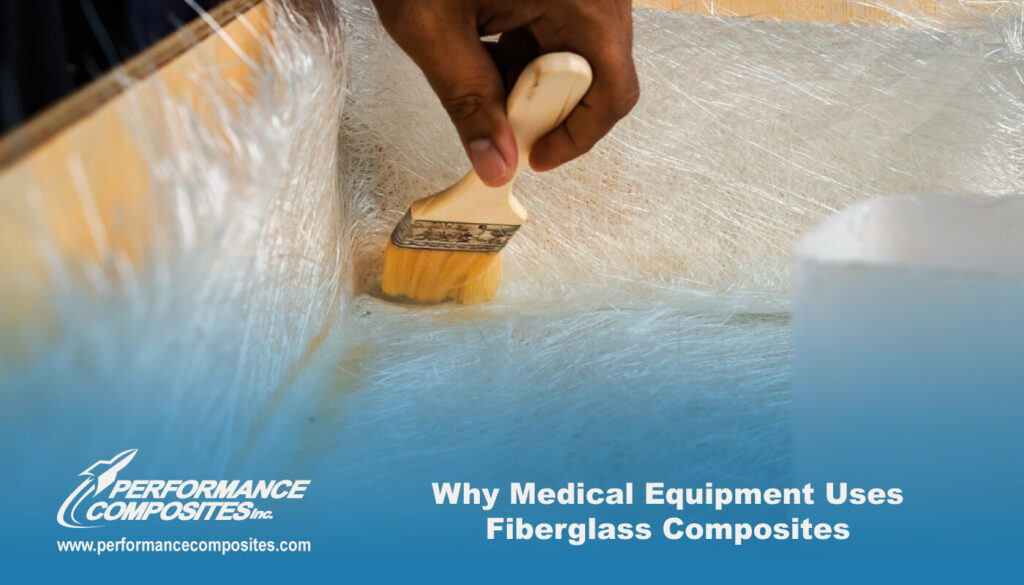
Why Medical Equipment Uses Fiberglass Composites

Modern healthcare facilities rely on equipment that is durable, lightweight, easy to maintain, and capable of supporting highly specialized technologies. From diagnostic imaging systems to laboratory equipment and patient care devices, manufacturers continue to explore advanced materials that improve performance while meeting strict engineering requirements. Medical composites manufacturing has become an important part of this evolution by providing materials that combine strength, corrosion resistance, and design flexibility for a wide range of healthcare applications. As technology continues to advance, medical and radiology equipment often requires specialized enclosures, structural components, and protective housings that cannot always be produced efficiently with traditional materials. Medical and radiology manufacturers frequently utilize fiberglass composites because they offer design flexibility, long-term durability, and reliable performance in demanding healthcare environments. These characteristics continue to expand the role of composite materials throughout the medical industry. Medical Composite Manufacturing Supports Modern Healthcare Medical equipment manufacturers require materials capable of meeting demanding performance standards while accommodating complex product designs. Medical Composite Manufacturing offers several advantages, including: Lightweight Construction Corrosion Resistance Design Flexibility Structural Strength Long-Term Durability These characteristics make fiberglass composites suitable for many healthcare applications where reliability and precision are essential. Why Radiology Equipment Benefits From Fiberglass Components Medical imaging equipment often incorporates specialized structural components designed to support sophisticated diagnostic systems. Examples include: Radiology Fiberglass Components MRI Equipment Enclosures X-Ray Fiberglass Components Medical Imaging Composite Components Fiberglass materials can be engineered to meet specific dimensional and structural requirements while supporting the overall performance of imaging equipment. Medical Fiberglass Fabrication Allows Complex Designs Many medical products require highly customized shapes that would be difficult or expensive to manufacture using traditional materials. Medical Fiberglass Fabrication allows manufacturers to produce: Curved Enclosures Equipment Covers Structural Supports Protective Panels Complex Housing Designs These manufacturing capabilities provide engineers with greater flexibility during product development. Custom Medical Composite Parts for Specialized Equipment Standard components are not always suitable for highly specialized healthcare equipment. Custom Medical Composite Parts are frequently developed for applications requiring: Precise Dimensions Specialized Mounting Features Lightweight Construction Equipment Protection Custom engineering allows components to be designed specifically for the intended medical application rather than adapting existing products. Radiology Composite Enclosures Protect Sensitive Systems Diagnostic imaging equipment contains sophisticated electronics that require durable protective housings. Radiology Composite Enclosures help provide: Structural Protection Corrosion Resistance Long Service Life Design Flexibility Proper enclosure design contributes to both equipment protection and overall product reliability. Fiberglass Medical Equipment Housings Improve Durability Protective housings are used throughout hospitals, laboratories, and imaging facilities. Fiberglass Medical Equipment Housings are commonly utilized because they provide: High Strength Low Weight Corrosion Resistance Attractive Finished Surfaces Long-Term Performance These characteristics help support reliable equipment operation in demanding healthcare environments. Lightweight Medical Composite Solutions Improve Equipment Design Reducing equipment weight can simplify transportation, installation, servicing, and product design. Lightweight Medical Composite Solutions are often selected because they allow engineers to reduce overall weight while maintaining structural integrity. Benefits may include: Easier Handling Improved Equipment Mobility Reduced Structural Loads Greater Design Flexibility These advantages support both manufacturers and healthcare providers. Composite Materials for Medical Devices Continue To Expand Advances in Composite Materials for Medical Devices continue to support new product development across the healthcare industry. Fiberglass composites are now used in applications such as: Medical Device Housings Laboratory Equipment Imaging Systems Diagnostic Equipment Patient Support Equipment As medical technology evolves, composite materials continue finding new applications across healthcare manufacturing. Why Precision Manufacturing Matters Medical products in medical composites manufacturing often require exceptionally tight tolerances and consistent manufacturing quality. Experienced manufacturers typically emphasize: Precision Tooling Quality Inspection Engineering Collaboration Repeatable Production Material Consistency Companies with dedicated engineering teams and in-house tooling capabilities are often able to maintain greater control throughout the manufacturing process while supporting specialized customer requirements. The Future of Fiberglass in Medical Manufacturing Demand continues to grow for advanced composite technologies capable of supporting next-generation healthcare equipment. Ongoing developments include: Fiberglass Composite Manufacturer for Medical Industry Solutions Lightweight Radiology Structures Non-Corrosive Medical Composites Custom Fiberglass Medical Fabrication As healthcare technology continues advancing, fiberglass composites are expected to remain an important material for equipment manufacturers seeking strength, durability, and design flexibility. FAQs Why are fiberglass composites used in medical equipment? Fiberglass composites combine strength, lightweight construction, corrosion resistance, and design flexibility. These characteristics make them well suited for medical equipment, diagnostic systems, and structural components used throughout healthcare environments. Manufacturers often select composite materials because they support both product performance and long-term durability. What types of medical equipment use fiberglass composites? Fiberglass composites are commonly found in medical device housings, diagnostic imaging equipment, MRI equipment enclosures, X-ray fiberglass components, laboratory equipment, protective covers, and structural support components. Their versatility allows them to be incorporated into many different healthcare applications. Why is lightweight construction important in medical equipment? Reducing equipment weight can simplify transportation, installation, servicing, and day-to-day operation. Lightweight composite materials also allow engineers greater flexibility when designing complex medical products while maintaining structural performance and durability. How does custom fiberglass fabrication benefit medical manufacturers? Custom fiberglass fabrication allows manufacturers to produce specialized components that meet exact dimensional, structural, and functional requirements. This flexibility supports the development of advanced medical technologies that often cannot utilize standard off-the-shelf components. Why do medical manufacturers work with composite specialists? Experienced composite manufacturers provide engineering expertise, precision tooling, quality control, and specialized production capabilities. These services help ensure that medical components meet demanding performance standards while supporting consistent manufacturing quality across production runs. Summary Medical composites manufacturing continues to play an increasingly important role in the development of advanced healthcare equipment. Through lightweight construction, corrosion resistance, precision engineering, and outstanding design flexibility, fiberglass composites support a wide range of medical and radiology applications. As medical and radiology technologies continue to evolve, manufacturers will likely continue expanding the use of composite materials across diagnostic equipment, medical devices, and specialized healthcare systems. Partner with Performance Composite for Medical and Radiology Reach out today for a free consultation to discuss how our tailored composite solutions can enhance efficiency and elevate

Defense And Security Composites
Blog, Military Defense Composites

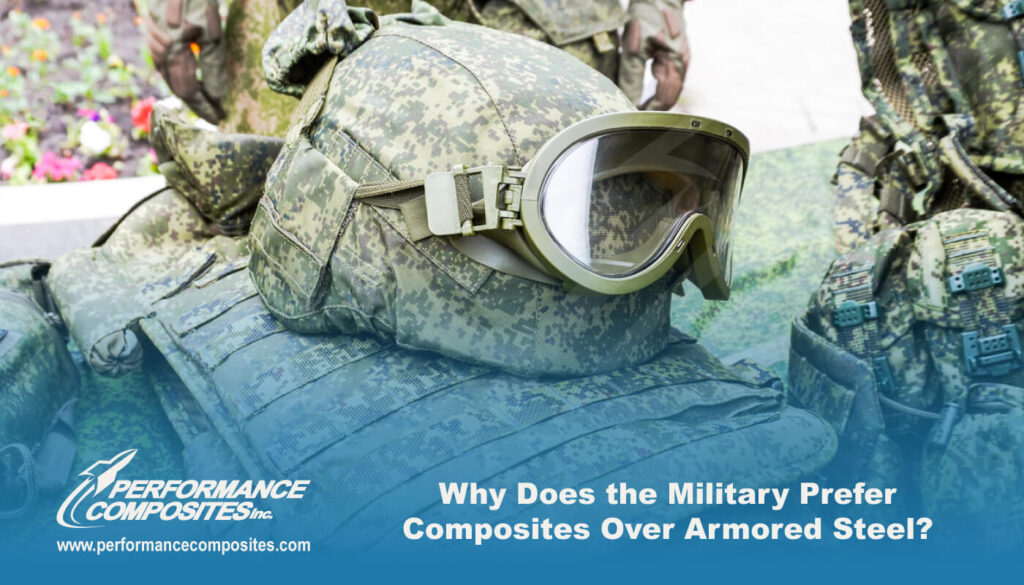
Why Does the Military Prefer Composites Over Armored Steel?

Modern defense equipment is expected to perform under demanding conditions while balancing strength, durability, mobility, and efficiency. For decades, armored steel served as the primary material for military vehicles and protective structures because of its proven strength and durability. Today, however, advances in defense and security composites manufacturing have introduced materials that provide many of the protective qualities of traditional steel while significantly reducing overall weight. As military technology continues to evolve, composite materials have become an important part of modern defense systems. The continued growth of defense composite manufacturing reflects the military’s need for lighter, stronger, and more adaptable materials. Engineers now incorporate advanced composites into vehicles, aircraft, protective structures, communication systems, and specialized equipment where reducing weight while maintaining structural performance is critical. Understanding why composites have become such an important material helps explain their expanding role across today’s defense industry. Security Composite Solutions for Modern Defense Systems Composite materials are used throughout the defense sector because they can be engineered for specific performance requirements rather than relying on a single material characteristic. Common advantages include: Reduced Weight High Structural Strength Corrosion Resistance Design Flexibility Environmental Durability These characteristics allow Security Composite Solutions to support a wide range of military and security applications while improving operational efficiency. Military Fiberglass Fabrication Supports Mission Readiness Fiberglass remains one of the most widely used composite materials within defense manufacturing. Military Fiberglass Fabrication is commonly utilized for components that require durability while minimizing unnecessary weight. Applications may include: Equipment Housings Vehicle Components Protective Covers Communication Equipment Support Structures Proper material selection allows manufacturers to produce components capable of performing under demanding environmental conditions. Lightweight Defense Composite Materials Improve Mobility One of the greatest advantages of composites is their exceptional strength-to-weight ratio. Lightweight Defense Composite Materials help reduce the weight of: Ground Vehicles Marine Equipment Aircraft Components Portable Equipment Tactical Systems Reducing overall weight may improve fuel efficiency, transportation capability, payload capacity, and operational flexibility without sacrificing structural integrity. Composite Armor Panels Combine Protection and Performance Traditional armored steel provides excellent protection but can significantly increase vehicle weight. Composite Armor Panels are engineered using multiple material layers that help provide protective performance while reducing mass compared to conventional steel designs. Benefits may include: Reduced Vehicle Weight Improved Mobility Greater Design Flexibility Corrosion Resistance Material selection depends on the intended application and required performance characteristics. Aerospace and Defense Composites Continue To Expand The aerospace industry has long recognized the benefits of advanced composites, and similar technologies continue to expand throughout military manufacturing. Aerospace and Defense Composites are commonly incorporated into: Aircraft Structures Radar Systems Equipment Enclosures Unmanned Systems Mission Support Equipment The ability to engineer materials for highly specialized applications has made composites an important part of both aerospace and defense manufacturing. High-Performance Composite Structures for Demanding Environments Military equipment frequently operates under challenging environmental conditions. High-Performance Composite Structures are designed to withstand factors such as: Moisture UV Exposure Temperature Changes Corrosive Environments Mechanical Stress Proper engineering and manufacturing techniques help ensure consistent performance throughout the product’s service life. Custom Defense Composite Components Through In-House Tooling Many defense applications require components that cannot be manufactured using standard molds or production methods. Custom Defense Composite Components often begin with specialized tooling designed specifically for the application. Companies that maintain their own tooling departments can design, manufacture, and refine molds internally, providing greater control over quality, precision, and production efficiency. In-house tooling also allows engineers to respond more quickly to design modifications and specialized customer requirements throughout the manufacturing process. Fiberglass Security Enclosures Protect Sensitive Equipment Many military and security systems rely on protective housings designed to shield sensitive equipment from environmental exposure. Fiberglass Security Enclosures are frequently used for: Electronic Equipment Communication Systems Utility Infrastructure Security Equipment Monitoring Systems These enclosures provide structural protection while offering corrosion resistance and long-term durability in demanding operating environments. Advanced Composite Manufacturing for Defense Applications Advanced Composite Manufacturing for Defense combines engineering expertise with precision manufacturing processes to produce highly specialized components. Modern manufacturing capabilities often include: Computer-Aided Design Precision Tooling Vacuum Infusion Resin Transfer Molding Quality Inspection Manufacturers with integrated engineering and tooling capabilities are often able to maintain tighter quality control throughout production while supporting complex defense programs. The Future of Military Composite Technology Ongoing research continues to expand the capabilities of military-grade composite materials used throughout the defense industry. Current areas of development include: Lightweight Ballistic Composite Panels Defense Composite Engineering Composite Solutions for Security Systems Tactical Composite Enclosures Durable Fiberglass Defense Components Composite Structures for Military Applications RF-Transparent Defense Enclosures Aerospace Defense Manufacturing High-Strength Fiberglass Fabrication As manufacturing technology continues to advance, composites are expected to play an increasingly important role across a wide range of military and security applications. FAQs Why does the military use composites instead of steel in some applications? Composite materials often provide an excellent strength-to-weight ratio, allowing engineers to reduce overall system weight while maintaining structural performance. Lighter components may improve mobility, transportation efficiency, payload capacity, and fuel economy depending on the application. Material selection always depends on the specific operational requirements of each defense program. What are composite armor panels? Composite armor panels are engineered protective systems made from multiple materials designed to provide structural performance while reducing weight compared to traditional armored steel. Different material combinations are used depending on the required level of protection and the intended military application. Why is in-house tooling important for defense composite manufacturing? Manufacturers with dedicated tooling departments can design and build molds internally, giving them greater control over precision, quality, production schedules, and engineering changes. In-house tooling also supports the production of highly customized composite components required for specialized defense applications. Where are fiberglass composites commonly used in defense systems? Fiberglass composites are frequently used in equipment enclosures, communication systems, structural components, protective housings, and support equipment. Their durability, corrosion resistance, and design flexibility make them suitable for many military and security applications where long-term performance is important. How do aerospace and defense industries benefit from advanced composite manufacturing? Advanced

Scroll to Top